Posted on 9 August 2026:
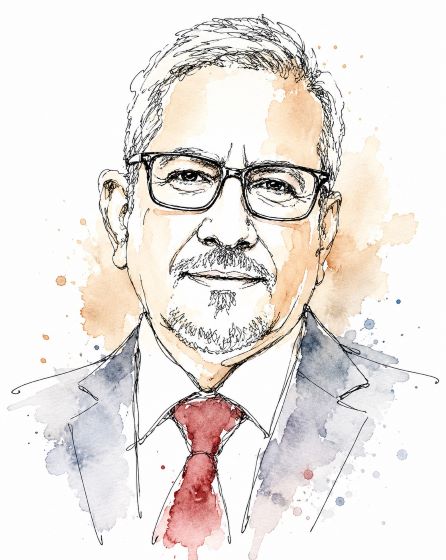
UTPAL DATTA—NAATIONAL AWARD-WINNING FILM CRITIC, AUTHOR, FILMMAKER— REVISITS SAIKIA’S ANIRBAN, A CINEMATIC ELEGY OF GRIEF, IMAGERY AND ENDURING LEGACY.

Anirban at 45: How Utpal Datta Rediscovers Assamese Cinema’s Masterpiece
Some frames refuse to fade. Nearly forty-five years after Bhabendra Nath Saikia’s Anirban first flickered onto Assamese screens, its final act of grief still lingers like an unhealed wound.
In his latest critical essay in the Daily Eye, Utpal Datta—Professor at Assam Downtown University —returns to Saikia’s quietly monumental Anirban, insisting its silence resounds more profoundly than cinema’s loudest noise.
BHABENDRA NATH SAIKIA’S FILM: ANIRBAN (ASSAMESE 1981)
Utpal Datta writes —“Forty-five years ago, a cinematic death scene was captured that remains unforgettable. The profound tremors of anguish and the silent, weeping agony of that moment continue to echo within the hearts of discerning viewers to this day, evoking an inescapable, haunting grief.
Bhabendra Nath Saikia’s second film Anirban (Assamese 1981) is the cinematic manifestation of an intense, unextinguishable desire: a conceptualisation born from the language of cinema and its miraculous mastery of poignant expression, the gloom-laden yet tangible ethereal perception created by its imagery, and the relentless impulse to preserve the continuity of existence as part of a larger, transcendent life, even after death has robbed individual existence of all hope.
The short story Prohori (The Sentinel) begins with a professional crisis for Rajani Master: he cannot solve a math problem for his student. This incompetence threatened to end his career as a private tutor at any moment, potentially closing off the modest extra income that sustained his impoverished life. However, right from the outset, the film adapted from Rajani Master’s story steps away from the limitations of daily survival, gesturing toward a broader canvas. Beyond merely expanding this backdrop, the opening conflict transforms from a personal, mundane struggle into a profound crisis between life and death—an element that appeared deeper within the original narrative rather than at its beginning. Clinging to this singular crisis, the physical and thematic dimensions of both the story and the film unfold. While the title Prohori is celebrated in Assamese literature, the primary motivation for replacing it with a new title was the aesthetic evolution, transformation, and addition of thematic layers to the narrative.
In contrast to the material concept invoked by the word Prohori (Guard), the word Anirban (The Unextinguished) evokes a vast, otherworldly glimpse into a surreal or spiritual realm.
The deaths in Prohori are heartbreaking events for a pair of parents; in Anirban, however, death carries the weight of a vast, overwhelming void. Gradually, this invisible experience transforms into a “terrible melancholy,” and pushing past this grief, the protagonist and his wife step forward in search of communion with a larger, transcendent life. By retaining the core characters and plot points while elevating the overarching message from the personal to the monumental, Anirban becomes essential viewing for any student of filmmaking.“
The Art of Cinematic Adaptation
“Discussions surrounding the adaptation of medium can elevate any literary or artistic critique to a deeper level of analysis.
From William Shakespeare’s play Macbeth, Akira Kurosawa created Throne of Blood. Differences in period, environment, socio-geographic positioning, and subtle yet pervasive sociological elements afforded Kurosawa absolute freedom and fluid movement to adapt Macbeth. When translating a theme from literature to the medium of film, adapting the characters and sequence of events is not the final word; the true measure lies in how the core message is re-envisioned using the tools of the new medium.” — writes renowned Utpal Datta.
Anirban: grief transmuted into timeless cinematic poetry
What elevates Utpal Datta’s essay is his comparative lens. He places Bhabendra Nath Saikia alongside Akira Kurosawa, whose Throne of Blood reimagined Shakespeare’s Macbeth with sweeping resources and creative liberty.
Bhabendra Nath Saikia, working within Assam’s far humbler means, had no such luxury — yet, Utpal Datta argues, he achieved a comparable transcendence, bending a modest regional narrative toward the universal without ever abandoning its native soil.
The essay also situates Bhabendra Nath Saikia himself within cultural history: a scientist by training who became one of Assam’s defining cultural figures, a Padma Shri and Sahitya Akademi honoree whose seven Assamese features and one Hindi film carried the region’s stories onto the national and international stage.
Utpal Datta reminds readers that Anirban was not merely adapted from literature but conceived as a visual echo of Tennyson’s The Brook — an attempt to render poetic permanence through cinematic grammar rather than plot alone.
Ultimately, Utpal Datta’s tribute is less a nostalgic revisit than a call to critical attention: a reminder that Assamese cinema’s quieter triumphs deserve the same scrutiny given to its louder contemporaries.
Anirban, in his telling, isn’t simply an old film worth remembering — it’s a masterclass in how adaptation can transmute personal grief into something enduring, unextinguished, and essential for anyone serious about the craft of filmmaking.