Posted on 20 July 2026:
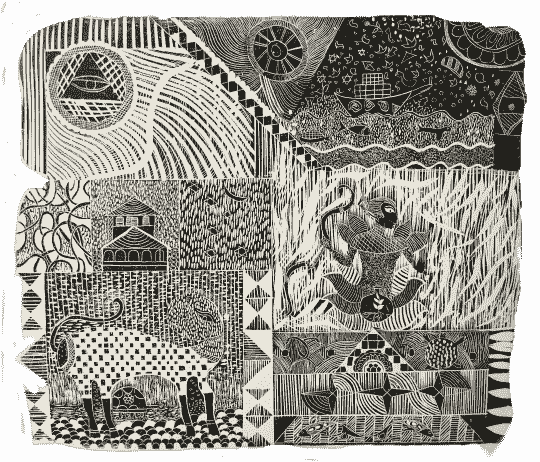
Rhythms of Black & White: Inside New Delhi’s Celebrated Monochrome Art Exhibition at Nayan Naveli Gallery, New Delhi
THERE IS A PECULIAR MAGIC IN THE ABSENCE OF COLOUR — A SILENCE THAT SOMEHOW SPEAKS LOUDER THAN ANY PALETTE COULD.
In the hushed elegance of Greater Kailash Enclave I, the Nayan Naveli Gallery unveiled a monochrome symphony on 10 July 2026. Rhythms of Black & White opened its doors to an audience brimming with anticipation, transforming New Delhi into a canvas of contrasts—where shadows converse with light, and silence finds its rhythm.
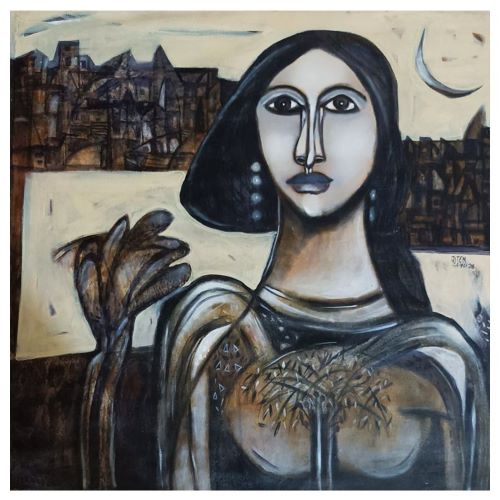
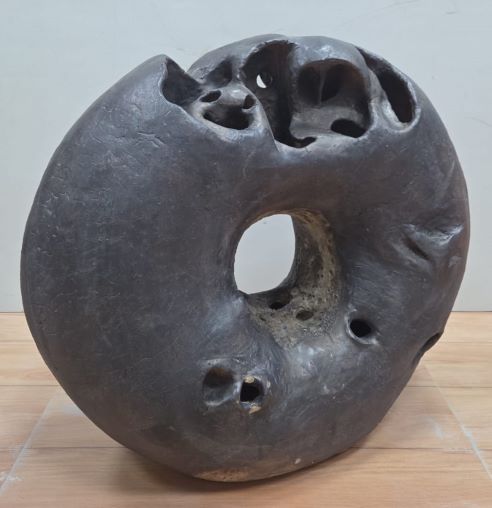
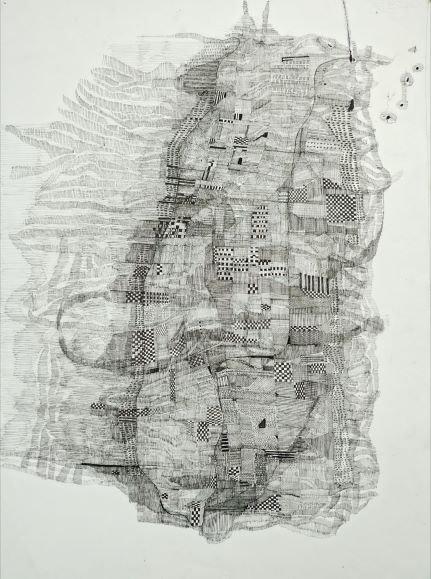
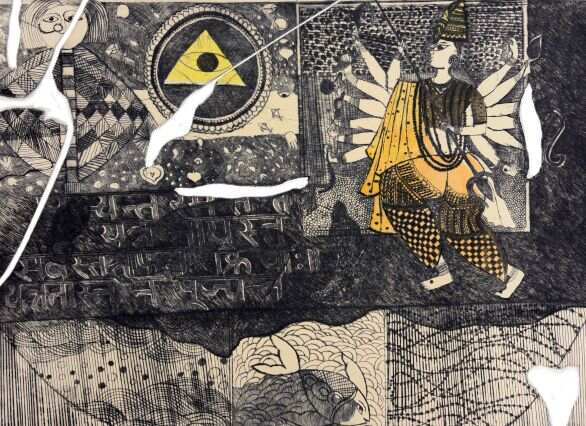
Curated with poetic precision by renowned Amrita Kochhar, the exhibition gathered thirteen artists whose diverse journeys converged in a singular language of black and white. Each work became a meditation—lines dissolving into textures, forms whispering into voids—an ode to simplicity that revealed infinite depth.
The inaugural evening carried a rare gravitas. The presence of Maïté Delteil, Anjolie Ela Menon, and Jatin Das lent the gathering a luminous aura, their stature weaving dignity into the celebration.
For the artists and admirers alike, it was more than an exhibition; it was a communion of vision, a monochrome festival where art itself became the guest of honor.
Each work, rendered in the timeless interplay of black and white, unfolds like a note in a larger score — sometimes staccato and sharp, sometimes slow and brooding, yet always in rhythm with the pieces around it.
Featuring the works of Ambrish Mishra, Chaya Dubey, Indeera ITTI Menon, Jiten Sahu, Kumari Nidhi, Rakhee Kumari, Roopali Dhawan, Sangeeta Jindal, Sanjay Tikkal, Sarika Poornanand, Snneha, Sonam Singh, and Keshri Nandan –the show becomes a masterclass in restraint — proof that emotion, memory, and movement need no colour to be felt in full.
What makes this exhibition particularly resonant is its refusal to treat the monochrome palette as a limitation. Instead, each artist embraces black and white as a language of its own, one capable of extraordinary nuance and quiet drama. Stripped of colour’s distractions, the works draw the eye toward texture, line, and composition, allowing viewers to engage with each piece in a slower, more contemplative way — a rare gift in a city that rarely pauses.
Among the evening’s most memorable moments was a two-minute live illustration activity that turned spectators into participants. Visitors were first invited to close their eyes for a full minute of silence, simply relaxing and letting their thoughts settle. In the minute that followed, they were asked to draw — freely, instinctively, without rules or expectations — whatever had surfaced in that quiet interlude. The exercise struck an unexpected chord, becoming one of the evening’s most talked-about experiences and a fitting embodiment of the exhibition’s spirit: that creation, like monochrome itself, can emerge from stillness.
As a group exhibition, Rhythms of Black & White is also a study in plurality — thirteen distinct artistic voices and sensibilities, bound together by a shared visual language, each contributing their own pulse to a larger, unified rhythm. It is this collective energy that gives the show its unmistakable depth.
Rhythms of Black & White continues at Nayan Naveli Gallery, New Delhi, until 3rd August 2026 –experience the timeless dialogue between light and shadow through contemporary artistic expression.