Posted on 2 October 2026:
🎨 #YathraCanvas: Art in a Frame
The Whispering Trees: The Timeless Art of Japanese Washi
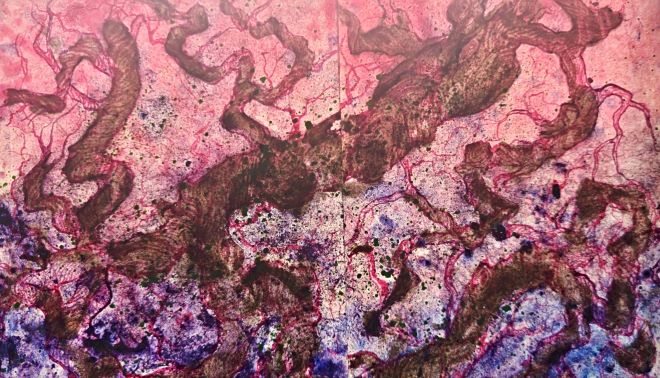
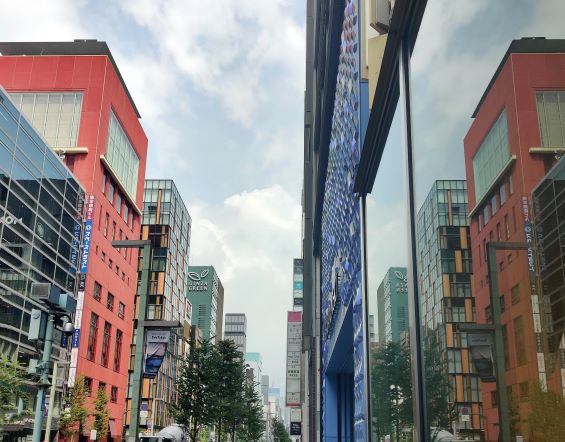
Larissa Noury’s Tokyo Solo Exhibition Fuses French Impressionism with Washi Paper at Vent Ginza Gallery, from 5th October 2026
In an age of glowing screens and factory-made paper, a quieter craft endures in the rural valleys of Japan. Washi (和紙), from wa (Japanese) and shi (paper), is far more than a writing surface. It is a handmade art, a model of sustainable craftsmanship, and one of the most enduring expressions of Japanese cultural identity. Recognized by UNESCO as an Intangible Cultural Heritage, authentic hand-molded Washi carries more than 1,300 years of refined technique. It transforms plant fibers into translucent sheets that are soft to the touch, remarkably strong, and capable of lasting for centuries.
What the Harvest Gives
Where Western paper relies on wood pulp and harsh chemicals, Washi begins with the inner bark of select perennial plants. Because the long fibers remain intact throughout the process, the finished paper is light, supple, and durable. Three plants define its character:
The Rhythm of Nagashi-zuki
Making Washi demands patience, a steady rhythm of movement, and an intimate relationship with cold, clear mountain water. The work is traditionally carried out in the depths of winter, a season known as Kan-sukuri, when the cold keeps the water pure and prevents the fibers from decaying. Each sheet is born of stillness, cold, and the practiced hands of its maker.
Beyond the Page
Washi has long shaped how people live, worship, and create. In traditional homes it forms the sliding doors (Shoji) and room dividers (Fusuma) that soften light and quietly regulate humidity. Painters and calligraphers value it because it allows ink to bleed into evocative gradients. It is folded into origami, stretched over bamboo for lanterns (Chochin) and umbrellas (Wagasa), and spun into Shifu thread to weave resilient cloth. Museums around the world rely on it to restore ancient books, fragile documents, and classical artworks, since it is acid-free and does not degrade.
A Heritage That Still Breathes
Machine-made imitations now serve the mass market, yet master artisans, the Washi-shi, continue to safeguard the pure hand-molding tradition. In an era that values sustainability and mindful craft, Washi stands as a bridge between nature, human dedication, and functional beauty. Each sheet is a living object, carrying the cool warmth of river water, the resilience of the mulberry branch, and the spirit of its maker.
Where Tradition Meets the Canvas: Larissa Noury in Tokyo
That living heritage now finds a contemporary voice. On 5th October 2026, renowned artist Larissa Noury opens a solo exhibition at Vent Ginza Gallery, Tokyo, bringing the poetic color of French Impressionism together with the centuries-old craft of Japanese Washi.
Her approach, which she calls a “New French Impressionism,” honors the masters while adding a modern perspective on space and the energy of color. Her compositions capture movement, shimmering reflections, and the vibration of matter itself, with each shade answering a poetic frequency. On Washi, pigment does not simply rest on the surface. It becomes one with the paper, which absorbs, diffuses, and returns light with a depth that conventional canvas cannot offer.
Beneath it all runs a silent dialogue between two nations. France and Japan share a long tradition of devotion to light, nature, fine detail, and the fleeting beauty of passing moments. In Noury’s hands, that shared sensibility becomes a painting you can almost feel breathing.
Where light becomes texture, and a sheet of paper becomes a landscape.
🎨 #YathraCanvas
Images: Larissa Noury